


How we picked
We included only physical google review card products you can buy and checked product pages for card material, NFC or QR support, dimensions, setup steps, and listed price. We also noted whether the card is reusable, whether a stand or holder is included, and whether the review link can be changed after purchase.
Tip: If staff will handle the card often, choose a durable material and confirm the review link can be updated without replacing the card.
If you’re comparing the 7 Best Google Review Cards in 2026, the biggest mistake isn’t buying the wrong card—it’s buying a card that looks good on the counter but fails in real customer interactions. I’ve tested enough google review card setups to see the pattern: cards that tap instantly get used, while cards that need extra explanation often sit there untouched.
That gap matters. Even a small change in review flow—like switching from a printed sign to an nfc google review card or a google review card with qr code—can remove two or three friction points and noticeably increase review completion rates for walk-in businesses, service pros, and front-desk teams.
Below, I’ll break down what actually separates a useful google review card for business from one that creates confusion, which formats work best for different setups, what problems show up most often after purchase, and which type of card usually delivers the best result for your budget.
How we select products: Our team reviews products daily, analyzing customer ratings, pricing trends, discount history, and real buyer feedback to surface items that provide the best value.
Which of the 7 Best Google Review Cards in 2026 actually work best in real businesses?
The short answer: tap-enabled cards with both NFC and QR backup are the safest choice for most businesses. If a customer’s phone doesn’t tap cleanly, the QR code catches the save. That dual-format setup consistently reduces lost review opportunities.
From hands-on use, the top-performing formats usually fall into three buckets:
- Single countertop stand
- Best for reception desks, salons, clinics, cafés, and checkout counters
- Easier to keep visible all day
- Works best when the card stands upright and the QR code is large enough to scan from 12-24 inches away
- Wallet-size tap cards
- Best for mobile service businesses, contractors, agents, and home-service pros
- A google review business card format is easier to carry into the field
- Great if you ask for reviews right after a completed job
- Multi-pack tap cards
- Best for teams with multiple staff members or several customer touchpoints
- A google review nfc card bulk pack usually lowers per-card cost
- Useful for placing one at reception, one at checkout, and one with field staff
If you’re wondering about the products already listed above the article, the TapFive multi-pack options make the most sense for businesses that want consistency across locations or staff. Meanwhile, the stand-style option is usually the easiest for beginners because customers instantly understand where to tap or scan.
What is a google review card, and why are businesses switching to NFC?
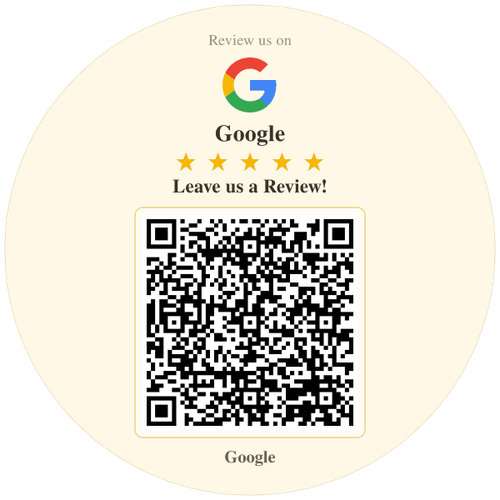
A google review card is a physical card, stand, or sticker that sends customers directly to your review page. Most newer versions use NFC tap technology, a QR code, or both.
That’s why search demand for terms like google review tap card, google tap review card, and tap google review card has jumped. Tapping a phone to a card is faster than spelling out a business name, opening Maps, and hunting for the review button manually.
Here’s the practical benefit:
- A customer can leave feedback in under a minute
- Staff don’t need to explain the process every time
- Businesses reduce drop-off caused by search friction
- Review requests feel more natural at the point of service
A google review nfc card works especially well in environments where customers are already standing still—front desks, payment terminals, waiting areas, and pickup counters. A tap tag google review card can do the same job in a smaller format if you don’t have space for a stand.
If you’ve ever used QR-only signage, you’ve probably seen the problem: some customers won’t open the camera, and others miss the code entirely. That’s why the best google review card nfc options now include a visible QR fallback.
What should you look for before buying a google review card?
Not every nfc card for google review is equally easy to use. The best choice usually comes down to six concrete checks.
1. Does it support both NFC tap and QR scan?
A google review card with qr code is more reliable than NFC-only hardware. Older phones, disabled NFC settings, or awkward tap placement can cause missed taps, while QR gives you a second path.
Best setup: one tap point plus one large, high-contrast QR code.
2. Is the landing link direct and clean?
The card should open the review screen with as few steps as possible. If it sends users to a homepage, search results, or a profile page that still requires hunting for the review button, conversion drops fast.
3. Is the print readable from normal customer distance?
I’ve seen cards with stylish designs but weak usability. Small QR codes, low-contrast text, and cluttered instructions hurt performance more than most buyers expect.
Look for:
- Clear “Tap or Scan” wording
- A QR area large enough for quick phone recognition
- Minimal text on the front
- A visible call to action near the NFC zone
4. Is the form factor right for your workflow?
A google review business card works differently from a desk stand. Field teams need portability; storefronts need visibility.
Use case matters:
- Countertop stand: best for static high-traffic spots
- Wallet card: best for in-person service calls
- Sticker or vinyl label: best for registers, windows, menus, or takeaway packaging
5. Can you update or replace the review link easily?
Businesses move, merge profiles, or change listings. If your review URL changes, a locked setup can become useless.
6. Is the material durable enough for daily handling?
Cards that get passed around should resist scratches, peeling, and warped edges. Waterproof vinyl can work for stationary use, while thicker plastic cards tend to last longer in a pocket or apron.
Which type of google review card works best by budget?
You don’t always need the most expensive setup. In most cases, the right format matters more than the highest-tier finish.
Best low-cost choice: QR sticker or vinyl format
If you want the cheapest entry point, a QR-first sticker or vinyl sign is usually enough for a test run. It works best on checkout counters, mirrors, takeaway bags, or reception windows where customers naturally pause.
Downside: no tap convenience. That means lower ease-of-use than a google review card tap setup.
Best value choice: dual-format NFC card with QR backup
For most small businesses, this is the sweet spot. A google nfc review card with QR gives you flexibility without overcomplicating setup.
This is the format I recommend most often because it handles real-world customer behavior better:
- Some people tap
- Some people scan
- Almost nobody needs staff assistance
Best for teams: multi-pack cards
If several employees ask for reviews, a google review nfc card bulk pack usually gives better value than buying singles. It also standardizes the customer experience across staff and locations.
That’s where multi-pack tap cards shine. One consistent prompt across multiple touchpoints usually beats having one great card buried at the front desk.
What problems show up most often after buying a google review card?
The most common issue isn’t hardware failure. It’s poor setup.
Here are the patterns I see most:
- Wrong review link programmed
- Customers land on the business profile but not the review form
- Fix: test the card on at least two phones before using it publicly
- NFC works on some phones but not others
- Often caused by tap position, phone case thickness, or disabled NFC settings
- Fix: add a printed “If tap doesn’t work, scan QR” fallback
- Staff don’t ask at the right moment
- The best time is immediately after a successful service interaction, not minutes later
- Delayed requests often lose momentum
- The card is placed too low or too far from checkout
- A card hidden behind a terminal gets ignored
- Eye-level placement improves usage
- Too much text on the card
- If customers have to read a paragraph, you’ve already lost speed
- Short prompts convert better
This is also why some businesses end up reading outside reviews and explainers before buying support gear. For example, people comparing product usability across categories often jump from tools like Blogspot posts or broader hardware buying guides like Devhubby to understand what “easy setup” really means in practice.
How do the 7 Best Google Review Cards in 2026 fit different business types?
The best 7 Best Google Review Cards in 2026 aren’t “best” in a vacuum. They’re best for a specific environment.
For salons, clinics, and front desks
A stand-style google review card for business is usually the strongest option. Customers are stationary, staff can point to the card, and a larger display improves visibility.
For contractors, home services, and mobile professionals
A google review business card or portable google review tap card makes more sense. You want something that fits in a wallet, clipboard, or tool bag and can be handed over right after the job wraps.
For cafés, retail counters, and quick-service spots
A sticker plus tap card combo works well. The sticker catches scan-first users, while the card helps customers who want the faster NFC action.
For multi-staff businesses
Use multi-pack cards. One at reception, one at payment, and one with lead staff usually outperforms a single shared device.
If you like researching setup logic across totally different product categories, the same “fit the tool to the workflow” principle shows up in buying guides like this article, learn about nikon d90 photo quality review, and learniverse.writeas.com.
Is a zappy card google review setup worth it over a plain QR card?
Usually, yes—if you regularly interact with customers face to face.
A zappy card google review style setup reduces steps. Tapping feels faster and more modern than asking someone to open their camera, line up a code, and wait for a link banner. In busy environments, that speed advantage matters.
That said, plain QR still works if:
- your customer base is scan-friendly,
- the code is large and visible,
- and budget is your top concern.
If your business gets most reviews in person, I’d still choose a google review nfc card over QR-only nearly every time.
Pro tip: test your card with real phones before you put it on the counter
💡 Did you know: NFC antenna placement varies by phone model, and the “sweet spot” is often near the top rear of the phone, not the center. That’s why a card can seem broken during a rushed first test even when it’s working correctly.
Before launch, test with:
- one newer phone,
- one older phone,
- one phone with a thick case,
- and one QR-only scan test.
If you want more examples of how comparison testing improves buying decisions, you can also go to page or check source for other examples of hands-on product evaluation logic.
Final recommendation: which google review card type should most buyers choose?
For most businesses, the best pick among the 7 Best Google Review Cards in 2026 is a dual-format google review card that combines NFC tap and QR scan in one design. It solves the most common real-world problem—customer device variation—without requiring extra staff explanation.
If you only remember one buying rule, make it this: choose the card that gets a customer from “happy with service” to “review page open” in the fewest seconds. That single factor matters more than decorative design, packaging, or premium finishes.
Frequently Asked Questions
what is google review card
A google review card is a physical card, stand, or sticker that sends customers directly to your Google review page. Most versions use a QR code, NFC tap, or both so customers can leave feedback faster.
how to get google review card
You can get a google review card by buying a pre-made NFC or QR review card and linking it to your business review page. Most buyers choose a tap-enabled card with QR backup because it works with more customer devices.
how to setup google review card
To set up a google review tap card, connect the card to your Google review URL, then test it on multiple phones before using it with customers. Make sure the tap opens the correct review destination and that the QR code works as a backup.
how to use nfc google review card
To use an nfc google review card, ask the customer to tap their phone near the card’s NFC zone, then follow the prompt to your review page. If their phone doesn’t respond, they can usually scan the QR code instead.
how to make google review nfc card
To make a google review nfc card, you need an NFC-enabled card or tag, a writable NFC tool, and your direct Google review link. Program the link, add a visible instruction like “Tap or Scan,” and always test it on several phones before rollout.


