How we picked
We selected buyable name badge tags with clearly listed materials, dimensions, attachment types, pack sizes, and current pricing. We prioritized products with plain replacements, common fastening options like pins or clips, and straightforward quantity choices a reader can verify on the product page.
Tip: Match the attachment to the setting: clips are easier on clothing, while pins usually stay put better during long events.
Name badge tags do more work than most buyers expect. At check-in desks, trade shows, classrooms, clinics, and retail counters, the wrong badge can fail in under a week—usually because the backing twists, the print scratches, or the font is too small to read from 4 to 6 feet away, which is the distance where most first impressions actually happen.
That’s why the 7 Best Name Badge Tags in 2026 matter less as a simple shopping list and more as a fit problem: the best option for a front-desk team isn’t always the best one for pop-up events, school rewards, or uniform-heavy workplaces. If you’re comparing acrylic, wood, magnetic, pin-back, blank inserts, or printable formats, this guide will help you choose the right setup without wasting time on badge styles that look good online but underperform in real use.
Quick takeaway: For most workplaces, the best name badge tags balance readability, secure backing, scratch resistance, and easy reordering. If your team wears lightweight shirts or scrubs, magnet backs usually outperform pins for comfort; if you need low-cost bulk replacements, blank acrylic inserts tend to be the safest buy.
What makes the 7 Best Name Badge Tags in 2026 actually worth buying?
The products listed above already cover the strongest options, so the real question is how to match each type to the job. In practice, most buyers narrow their choice based on three friction points: how the badge attaches, how long the print stays readable, and whether reorders can be done without redesigning everything.
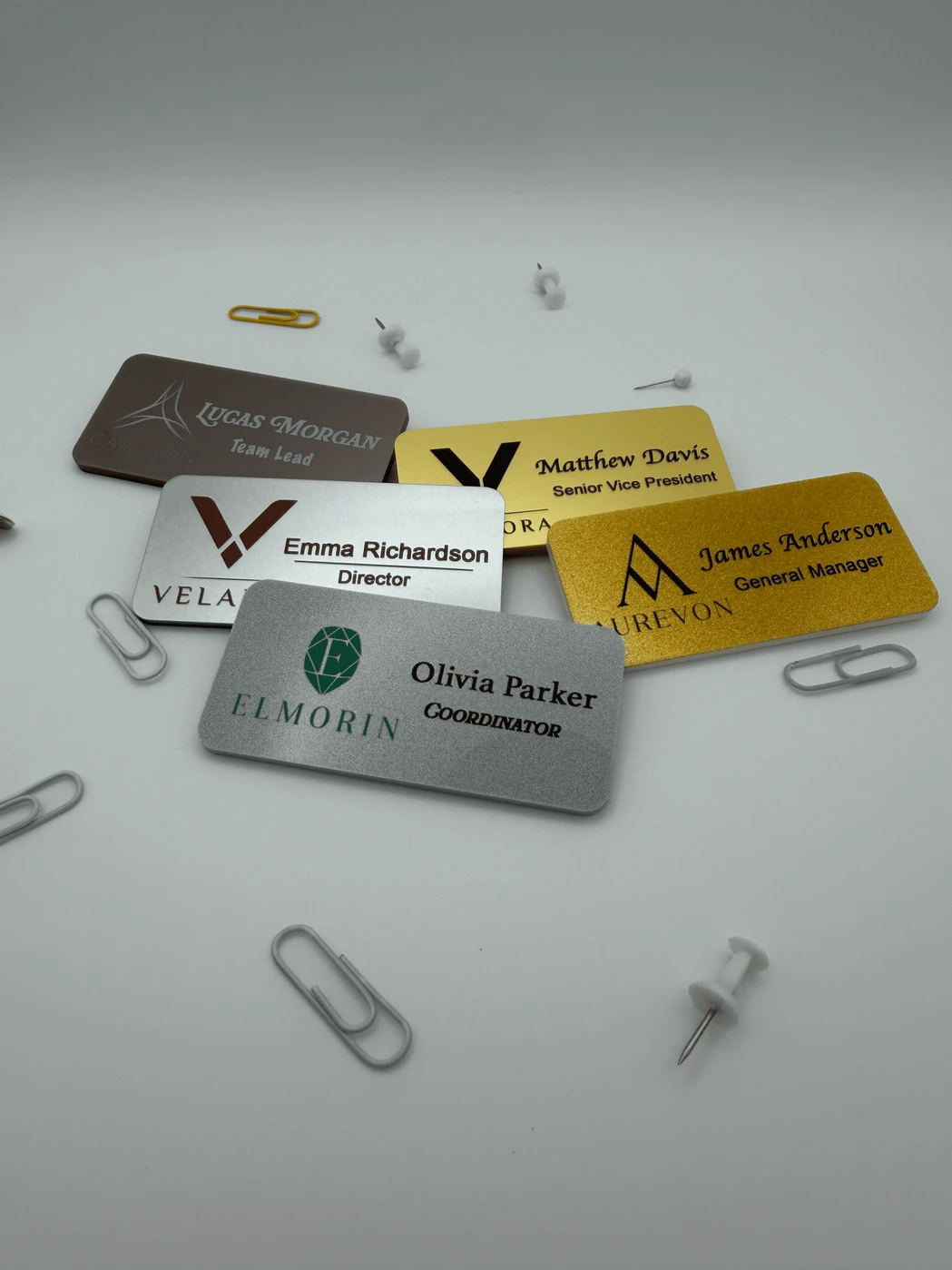
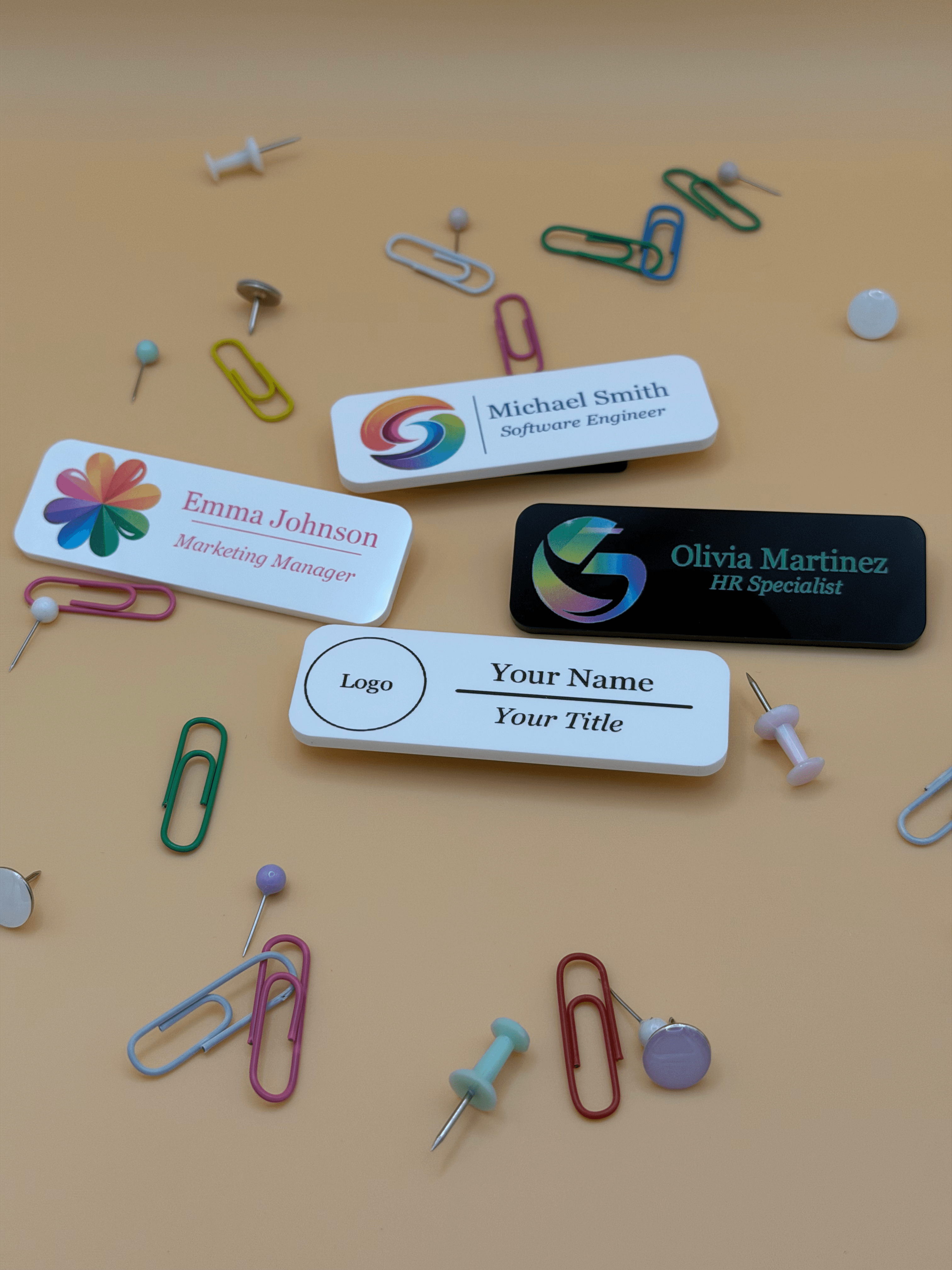
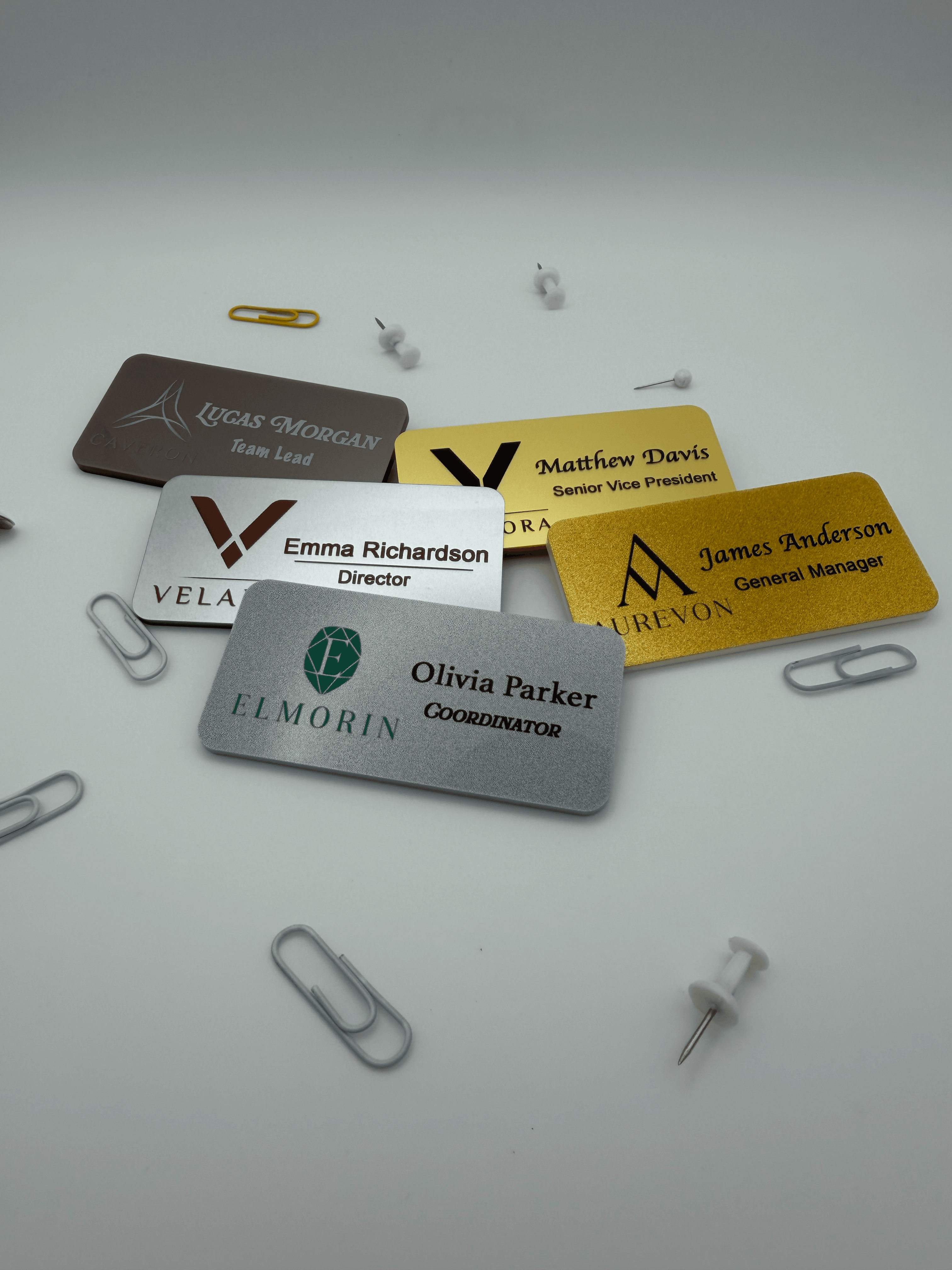
For example, Custom Name Badge with Logo - Personalized Acrylic Name Tag and Personalized Acrylic Name Badges with Your Logo make the most sense for businesses that need a polished branded look with minimal setup. Meanwhile, Blank Acrylic Name Badges with Pin or Magnet Back are usually the better fit if you expect staffing changes every month and need flexibility.
Here’s the clearest way to think about it:
- Best for daily staff wear: acrylic badge tags with a protective surface and magnet back
- Best for temporary teams or rotating names: blank inserts or editable templates
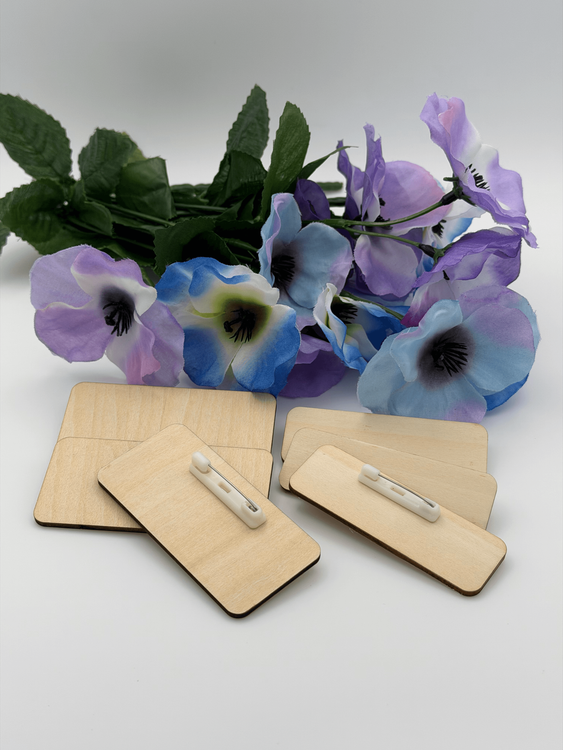
- Best for handmade or boutique settings: wood badge name tags
- Best for events and promotions: lightweight custom tags with bold large-print names
- Best for schools or themed activities: sheriff badge name tags printable formats or fun badge-style designs
If you’ve ever bought badges that looked crisp on day one and cloudy by day ten, you already know surface durability matters as much as design.
Which type of name badge tags works best for your setting?
The 7 Best Name Badge Tags in 2026 don’t all solve the same problem. A receptionist, a craft-fair seller, a nurse, and a summer-camp organizer need completely different features.
For offices, clinics, and reception desks
Acrylic and layered custom badges usually perform best here because they stay legible under bright indoor lighting. In my experience, badges with high-contrast text and a font size around 18 to 24 pt for the first name are much easier to read across a counter than trendy script layouts.
Look for:
- Smooth edges that won’t catch on knitwear
- Magnet backs if staff wear delicate fabrics
- Logo placement that doesn’t shrink the employee name too much
- Matte or satin-finish surfaces if glare is a problem under LED lights
The Employee ID Name Tags option is especially practical in settings where role clarity matters as much as appearance.
For retail teams and hospitality staff
Retail and hospitality badges take more physical abuse. They rub against aprons, lanyards, counters, trays, and jacket zippers, so scratch resistance matters more than ultra-fine design details.
Better picks here usually have:
- Thicker acrylic or layered construction
- Stronger attachment hardware
- Easy-to-read job titles under the name
- Fast reorder options for seasonal staff
This is also the category where many buyers start looking for quick badge name tags, especially when onboarding happens in batches.
For events, expos, and short-term use
Temporary setups need speed, not heirloom quality. If you’re badging a conference team for a 1- to 3-day event, lightweight options with simpler layouts work better than premium engraved styles.
Use short layouts:
- First name large
- Company or role smaller
- Minimal decorative elements
- Maximum contrast
If you manage event collateral too, you may also care about presentation consistency across tags, signage, and digital pages. That’s where even adjacent resources like dynamic meta tags in nuxt.js tips can remind you how much structured naming and clean labeling improve user experience across channels.
Best name badge tags by budget range in 2026
Price still matters, but the better way to judge badge value is cost per usable month, not sticker price. A badge that lasts 12 months is usually cheaper than replacing a flimsy one every quarter.
Best options in the lower price range
This bracket is ideal for:
- Large teams
- Schools
- Volunteer groups
- Seasonal workers
- Organizations that need frequent name changes
The strongest value is usually found in:
- Blank acrylic badges
- Pin-back basics
- Template-based printed tags
- Bulk-order simple custom badges
These are the picks I’d prioritize if turnover is high and you need replacements fast.
The mid-range sweet spot most teams should choose
For many buyers, this is the best balance of polish and durability. You’re typically getting:
- Better finish quality
- Cleaner engraving or print definition
- Stronger magnet assemblies
- More consistent color accuracy
This is where the 7 Best Name Badge Tags in 2026 become noticeably better for customer-facing roles. If people wear the badge 5 days a week, mid-range options often deliver the lowest replacement rate.
Premium picks for branding-focused teams
Premium doesn’t just mean fancier. It usually means:
- More distinctive layered construction
- Better edge finishing
- More custom layout flexibility
- Materials that hold up longer in visible roles
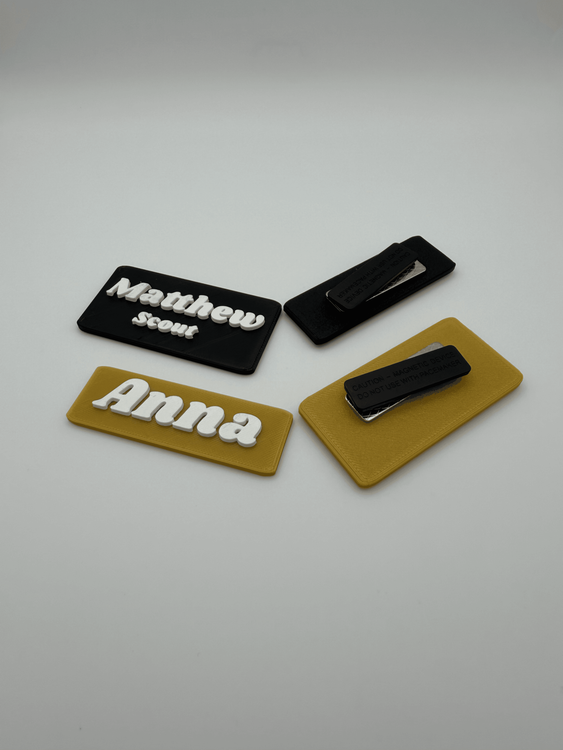
This is where Custom 3D Printed Name Badge – Personalized Name Tag and higher-end logo badges can justify the spend, especially if your staff badges double as part of the uniform.
What should you look for before ordering name badge tags?
If you only check one thing, check readability. Buyers obsess over shape and finish, but the badge fails if the name isn’t readable from normal conversation distance.
Here are the specific criteria that matter most:
- Readable text size
- First names should usually be visible from at least 4 feet
- Thin script fonts look elegant online but perform badly in real environments
- Dark text on a light background wins for legibility in most indoor settings
- Attachment style
- Magnet backs are more comfortable on polos, blouses, and scrubs
- Pin backs hold reliably on thicker jackets and aprons
- Mixed teams often need both options available
- Surface durability
- Acrylic handles daily wear well if the finish resists scratches
- Printed surfaces need protection if staff lean against counters or wear lanyards
- Wood can look premium, but some wood badge name tags need extra care around moisture
- Replacement workflow
- Ask whether you can reorder single units instead of full batches
- Teams with turnover above 10% to 15% annually benefit from easier one-off reprints
- Blank styles simplify internal updates
- Shape and corner style
- Rounded corners catch less on fabric
- Oversized novelty shapes are fun, but standard rectangles are easier to read
- Small badges underperform if both logo and job title compete for space
- File format for custom artwork
- Vector files usually produce cleaner logos than compressed image files
- Low-resolution uploads often look acceptable on-screen but print soft in real life
- If your logo text is tiny, simplify it before production
- Use-case fit
- Front-facing staff need polish
- Event crews need speed
- Kids’ tags need lighter weight and safer edges
If you’re also shopping for small personalized accessories, Blogspot has a useful example of how personalization quality affects everyday usability.
Are magnetic or pin-back name badge tags better?
For most adult workplace use, magnetic name badge tags are better because they’re more comfortable, don’t leave holes, and sit flatter on lighter fabrics. Pin backs still make sense for thick outerwear, aprons, and situations where badges need a more secure mechanical hold.
A practical split looks like this:
- Choose magnet backs if:
- Staff wear dress shirts, blouses, polos, or scrubs
- You want less fabric damage
- Comfort matters during 8- to 12-hour shifts
- Choose pin backs if:
- Staff wear thicker uniforms or jackets
- You need lower-cost bulk ordering
- Sliding or badge rotation has been a recurring issue
One caveat: some wearers prefer to avoid magnets for personal or medical reasons, so offering a pin option can prevent return requests.
What review patterns separate durable badge name tags from disappointing ones?
After reading hundreds of buyer comments over the years, the complaint patterns are strikingly consistent. The failures usually aren’t about color—they’re about backing strength, text size, and scratch visibility.
Here are the red flags that show up again and again:
- Names printed too small once a logo is added
- Weak adhesive layers on multi-part badges
- Magnet assemblies that detach after repeated use
- Pin hardware that twists the badge sideways
- Glossy surfaces that show scratches within 2 to 4 weeks
- Light text on transparent or reflective backgrounds
That’s also why niche add-ons like badge ribbons for name tags and badge ribbons with adhesive for name tags should be chosen carefully. A ribbon can improve role visibility at conferences or award events, but low-grade adhesive often peels early, especially in humid venues.
Themed and novelty badges: fun, but only in the right setting
Search demand shows people still want themed options like sheriff badge name tags, sheriff badge name tags printable, and printable sheriff badge name tags. These work well for classrooms, kids’ events, camps, and Western-themed parties, but they’re usually a poor fit for professional daily staff use unless the setting is intentionally playful.
For family events and child-friendly labeling ideas, read more if you want examples of tags designed for lighter-duty use.
How do the top 2026 picks compare in real-world use?
Since the product list is already above, here’s the practical shorthand I’d use after handling similar badge formats repeatedly:
- Custom acrylic logo badges
- Best overall for professional settings
- Strong balance of branding, durability, and readability
- Usually the safest pick for reception, retail, and office staff
- 3D printed personalized badges
- Best for visual impact
- Great for businesses that want texture or dimensional branding
- Slightly more style-sensitive, so keep fonts simple
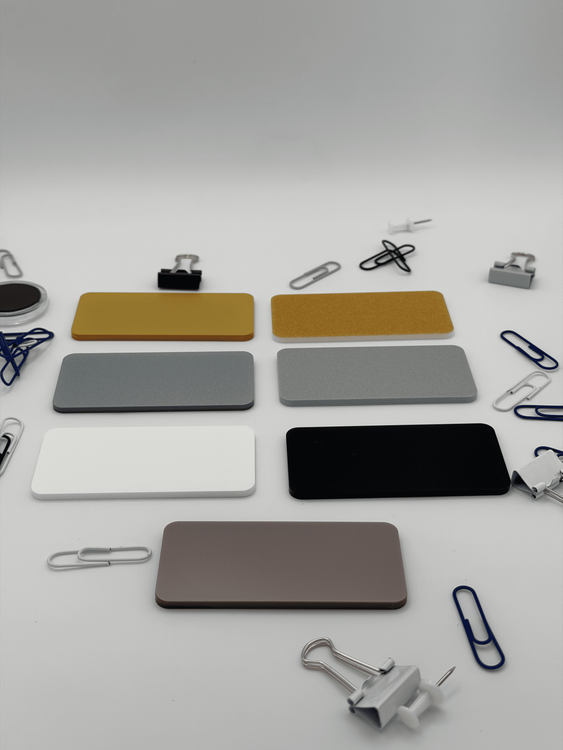
- Blank acrylic badges with pin or magnet back
- Best for flexibility
- Smart for schools, volunteer teams, and organizations with frequent staff changes
- Easier to standardize across departments
- Employee ID name tags
- Best for role clarity and structured environments
- Useful where departments, credentials, or access identity matter
- Wooden name badges blank pin back tags
- Best for artisanal, boutique, or eco-forward branding
- Warm visual feel, but not always ideal for wet or high-abrasion conditions
A lot of buyers also search for mighty badge name tags because reusable systems appeal to offices with constant turnover. Reusable setups can work well, but only if your team can print inserts cleanly and consistently—otherwise the finished look becomes uneven fast.
💡 Did you know? The most readable badge layouts usually devote 60% to 70% of the visible space to the person’s name, not the logo. That one design choice solves more “nobody can read my badge” complaints than any material upgrade.
If you manage naming systems or internal badge rosters, resources like everything about rename columns pandas series are oddly relevant because clean naming conventions upstream often prevent print-file errors downstream.
Where do buyers get tripped up with custom files and reorders?
The biggest mistake isn’t choosing the wrong shape. It’s sending inconsistent data.
Badges become messy fast when:
- Employee names aren’t standardized
- Titles exceed the available space
- Logo files vary in quality
- One department uses initials and another uses full names
- Reorders are placed from old templates
If you’re handling dozens or hundreds of staff tags, treat the badge file like a mini database. Consistent capitalization, spacing, and title length will save hours during reprint cycles. For workflows that touch location systems or naming conventions, even unrelated references like Stlplaces or view page highlight the same lesson: naming discipline matters more than people think.
Are specialty add-ons worth it for name badge tags?
Usually, yes—but only for defined use cases.
The add-ons that tend to earn their keep are:
- Badge ribbons with adhesive for name tags at conferences, award ceremonies, and volunteer events
- Department labels for large teams
- Color-coded role markers in schools, clinics, or multi-vendor expos
- Protective storage trays for organizations with more than 25 recurring badge users
Add-ons that often underdeliver:
- Overly decorative shapes that shrink the name area
- Cheap clip attachments that swing too much during movement
- Layered extras that make a lightweight shirt sag
If you’re exploring related label and tag categories, read more here for adjacent personalization ideas and material comparisons.
So, which of the 7 Best Name Badge Tags in 2026 should you choose?
For most readers, the best choice is still a custom acrylic name badge with a magnet back and high-contrast text. It’s the most reliable all-around format because it handles daily wear, reads clearly in customer-facing settings, and doesn’t demand constant replacement.
If your team changes often, choose blank acrylic badges. If your branding leans handmade or boutique, choose wood badge name tags. If the badge is for a one-off school event or themed activity, printable novelty formats like printable sheriff badge name tags make more sense than investing in long-life premium builds.
The single most important criterion is simple: pick the badge people can actually read at a glance. A beautiful badge that forces customers to squint is already the wrong badge.
Frequently Asked Questions
what is the best material for name badge tags?
For most workplaces, acrylic is the best material for name badge tags because it balances durability, clean printing, and everyday comfort. Wood looks distinctive, but acrylic usually handles scratches and frequent wear better in busy indoor settings.
are magnetic name badge tags worth it for daily wear?
Yes, magnetic name badge tags are usually worth it if staff wear lighter fabrics for 8+ hours a day. They’re more comfortable than pins, don’t leave holes, and tend to sit flatter on polos, scrubs, and dress shirts.
how to choose name badge tags for a small business?
Start with readability, then choose the backing based on uniform type. A small business usually gets the best results from a simple custom badge with a large first name, a small logo, and either a magnet or pin selected for the staff uniform fabric.
can you print your own sheriff badge name tags printable templates?
Yes, you can print your own sheriff badge name tags printable templates for classrooms, parties, and kids’ activities. Just use thicker cardstock or laminated sheets if the tags need to last more than one event, because standard paper curls and tears quickly.
is a reusable badge system better than custom permanent badges?
A reusable badge system is better if you have frequent staffing changes or temporary workers, especially in schools, churches, and volunteer programs. Permanent custom badges look more polished, but reusable formats reduce reorder delays and usually cost less over time for high-turnover teams.


